“A Talent to Amuse” — even virtually
March 12, 2012
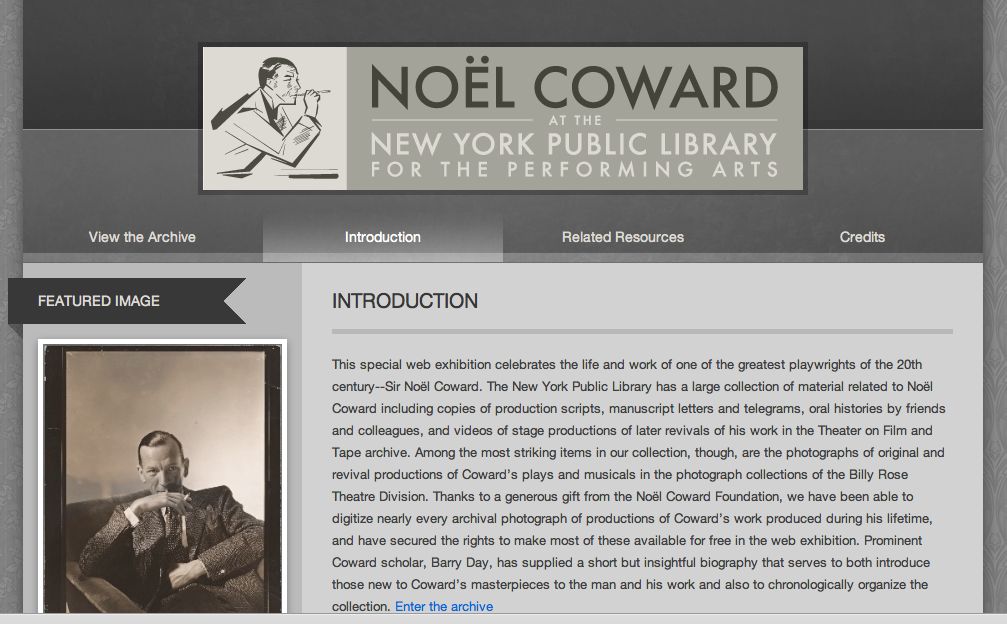
With all the talk nowadays — including plenty of polemic — about the pluses and minuses of the digital universe that we are entering (or that swallows us up, in some accounts), we shouldn’t forget about one area in which the results are clearly all gains: the digital exhibition. For libraries, especially, and for some museums, this kind of show is not only adequate but absolutely ideal. Among its many benefits is that it finally reconciles the concerns of the publicist with that of the conservator — nobody is damaging the artefacts by enjoying them. Of course at least the skill of a top museum curator is required for the most excellent of these, and we have a fine example immediately to hand: this site, from the New York Public Library, is worthy of the most concentrated attention.
There’s the added benefit that you can visit it as often as you might wish, and you can do it in any state of dress, while reclining, with a drink at hand!
Happy Birthday, Xavier Montsalvatge
March 11, 2012
Montsalvatge was born one hundred years ago today. In celebration, they are broadcasting this extraordinarily fine documentary from Barcelona, in which I participate. If you know little about his life and music, this is a fine introduction.
UPDATE: Thanks to Alex Ross for his own marking of the centenary with the apt description of Montsalvatge as “subtly potent.”
So You Want to Sing Bel Canto?
March 9, 2012
Tip of the hat to Karen Holvik
From Stravinsky to Dudamel
March 9, 2012

Fascinating to hear how many different interpretations a few famous chords can receive from major performers. The thirty-six examples here range from a 1921 piano roll by the composer to a 2010 recording from Caracas:
Tip of the hat to Robert Fink

Leonhardt as Bach in THE CHRONICLE OF ANNA MAGDALENA BACH (1968)
The Tijdschrift Oude Muziek (Early Music Journal) has printed a tribute from the well-known former student of Gustav Leonhard. Many thanks to Semibrevity, who has made and notified me of his English translation.
At this link there is a video from another Bach cantata conducted by the late master (to supplement this complete one that we’ve posted before), the audio of a complete Purcell Ode on St. Cecelia’s Day, as well as a rare 1959 Bach harpsichord performance from a radio broadcast and a 1965 Amsterdam Waalsekerk (Waldensian Church) organ recital performance. All these are provided by Radio 4 in the Netherlands.
A Voice from that Piano in the Background
March 1, 2012

Pianists who accompany singers prefer the term collaborative pianist to the old term accompanist. In truth, there are many cases in which the piano part is actually of more importance than that of the “soloist.” One thinks of the works that Beethoven (though not modern programs) called Sonata for Piano and Violin, or compositions like the Hindemith Sonata for Tuba and Piano, where the tuba almost plays a bit part.
But singers are in a position to overshadow their necessary collaborator, even when — as in lieder — the piano part may actually be at least an equal protagonist. There are great singers like Marilyn Horne and Frederica von Stade who never cease, however, to praise the man “in the crook of whose piano I’ve stood all these years.” The deserving artist in question, Martin Katz, gives a telling interview here.
Book in the Pipeline
March 1, 2012
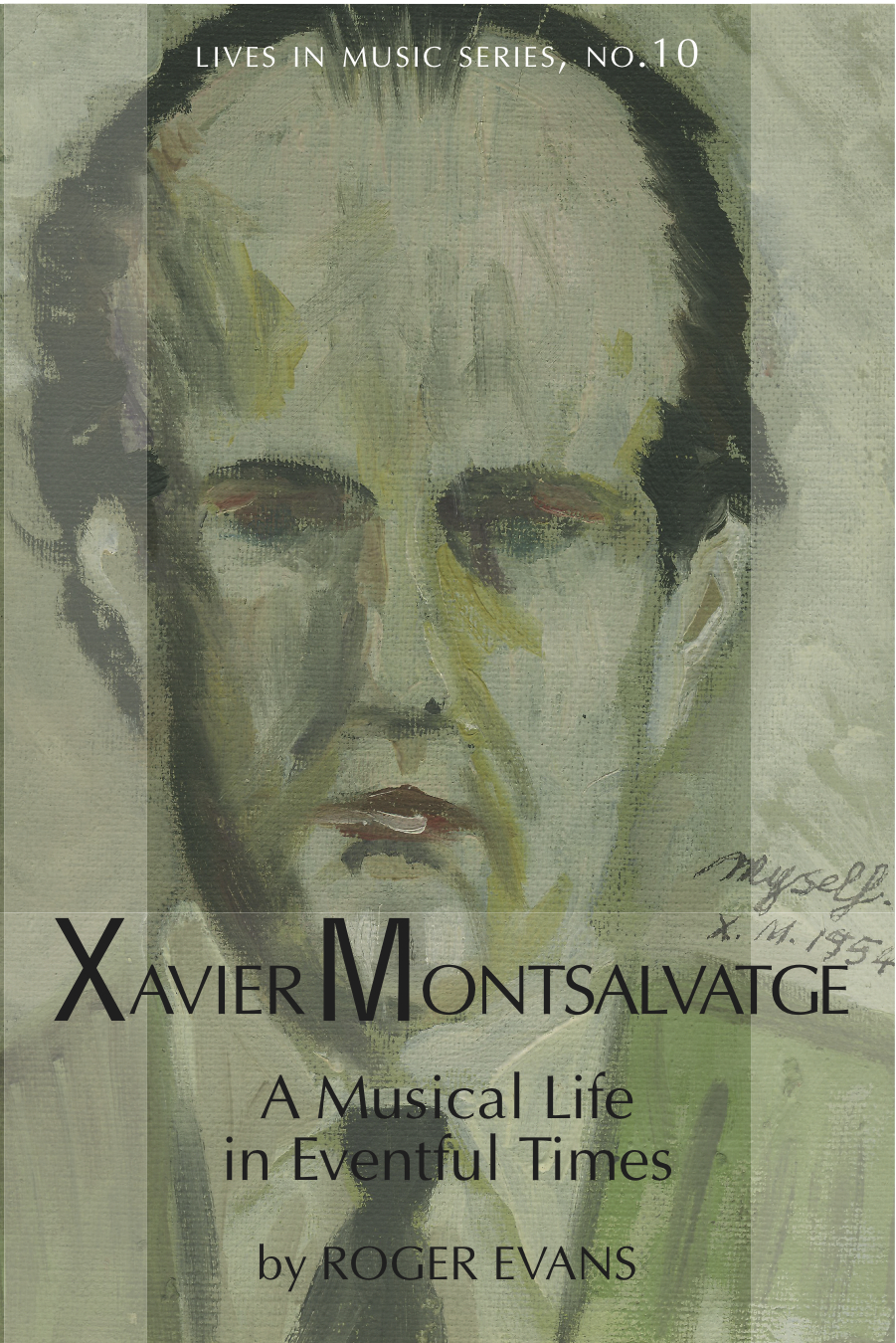
There has been a lacuna in posts here lately because of my being busy with getting a book to press. You’ll be seeing more about that here — and, I hope, elsewhere!
Click the Link Below for a Visceral Thrill
February 18, 2012

In a time when recording producers are sometimes the real creative masters, making up for a lack of artistry on the part of the named performers, it’s revealing to hear the isolated vocal tracks of an instance where talent and skill are not in question.
 RogerEvansOnline.com