From Stravinsky to Dudamel
March 9, 2012
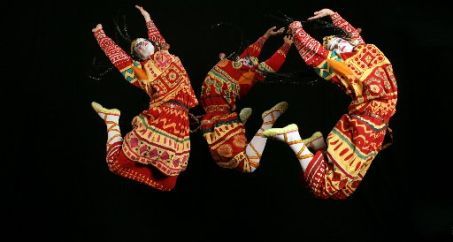
Fascinating to hear how many different interpretations a few famous chords can receive from major performers. The thirty-six examples here range from a 1921 piano roll by the composer to a 2010 recording from Caracas:
Tip of the hat to Robert Fink

Leonhardt as Bach in THE CHRONICLE OF ANNA MAGDALENA BACH (1968)
The Tijdschrift Oude Muziek (Early Music Journal) has printed a tribute from the well-known former student of Gustav Leonhard. Many thanks to Semibrevity, who has made and notified me of his English translation.
At this link there is a video from another Bach cantata conducted by the late master (to supplement this complete one that we’ve posted before), the audio of a complete Purcell Ode on St. Cecelia’s Day, as well as a rare 1959 Bach harpsichord performance from a radio broadcast and a 1965 Amsterdam Waalsekerk (Waldensian Church) organ recital performance. All these are provided by Radio 4 in the Netherlands.
A Voice from that Piano in the Background
March 1, 2012

Pianists who accompany singers prefer the term collaborative pianist to the old term accompanist. In truth, there are many cases in which the piano part is actually of more importance than that of the “soloist.” One thinks of the works that Beethoven (though not modern programs) called Sonata for Piano and Violin, or compositions like the Hindemith Sonata for Tuba and Piano, where the tuba almost plays a bit part.
But singers are in a position to overshadow their necessary collaborator, even when — as in lieder — the piano part may actually be at least an equal protagonist. There are great singers like Marilyn Horne and Frederica von Stade who never cease, however, to praise the man “in the crook of whose piano I’ve stood all these years.” The deserving artist in question, Martin Katz, gives a telling interview here.
Book in the Pipeline
March 1, 2012
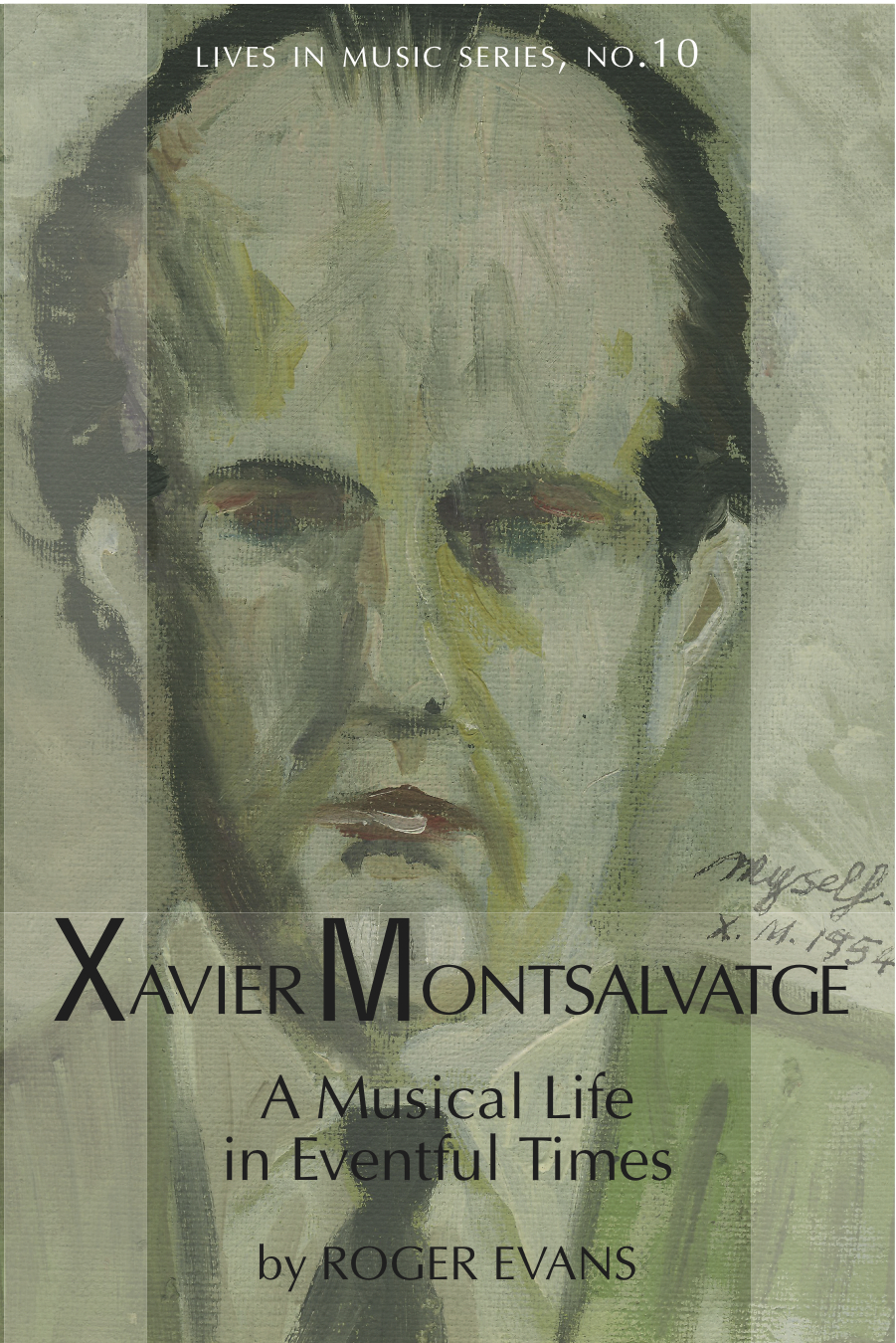
There has been a lacuna in posts here lately because of my being busy with getting a book to press. You’ll be seeing more about that here — and, I hope, elsewhere!
Click the Link Below for a Visceral Thrill
February 18, 2012

In a time when recording producers are sometimes the real creative masters, making up for a lack of artistry on the part of the named performers, it’s revealing to hear the isolated vocal tracks of an instance where talent and skill are not in question.
You Don’t Have to Look Far for Proof
February 17, 2012
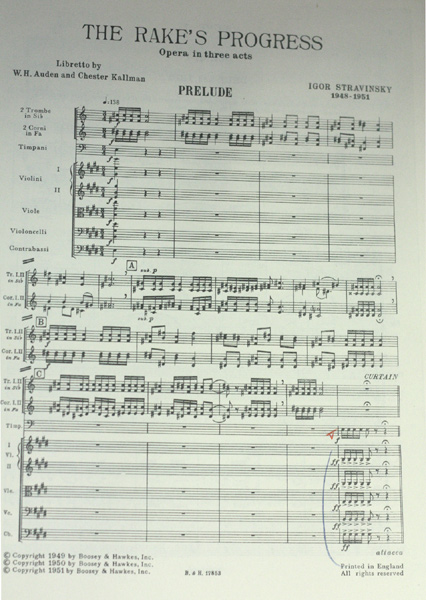
“No good opera plot can be sensible, for people do not sing when they are feeling sensible.” — W.H. Auden
It Takes a Good Ear to do a Good Parody
February 13, 2012
Who Still Plays Classical Music?
February 10, 2012

It’s a subject to be treated delicately, but it can hardly be fruitful to ignore it:
“There was a time when practically every major soloist was Jewish,” says violinist Joshua Bell. “Every Jewish kid grew up wanting to play the violin. Now it’s true among Asians.”
Chinese, Japanese, and Koreans flow into our music schools and our orchestras in a marvelous stream, and even the ones who don’t play are frequently an important part of the audience for classical music. Is it all a result of a culture’s expectations about child-rearing?
Read some of the facts here.
 RogerEvansOnline.com