How Does Music Notation Change Our Brains?
January 22, 2011
The clear-thinking Nicholas Carr is talking about processes that, in modern Western music, have a specific application. Thanks to different synaptic paths that are developed in the process of achieving music-reading proficiency, actual physical changes in the brain inevitably take place. Just as verbal literacy decreased our ability to memorize the exact words of epics and sagas, something is gained and lost in musical literacy. Should this temper people’s concerns about the new ways in which young people are processing music?
An International Incident
January 21, 2011
Herbie Hancock and Lang Lang in an extraordinary moment of Chinese-American cooperation:
Third Blogging Birthday
January 20, 2011

Today is the third anniversary of this site. I take the opportunity to greet and thank those who follow it or just drop in from time to time. There are so many more of you than I dreamed likely three years ago!
A Brave New World of Instrument-Making?
January 8, 2011
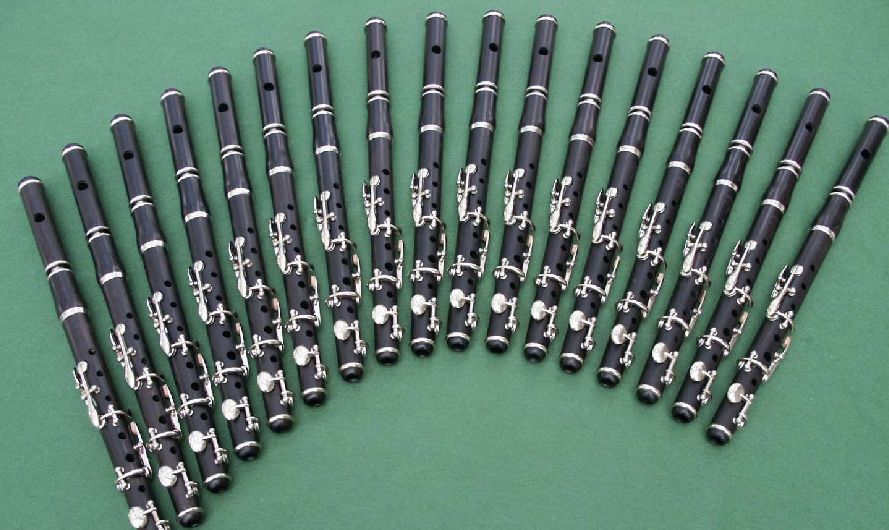
An MIT researcher has made a flute via a 3D printer. It’s far from perfect, and they’ll have to work a lot on refinements. But whoa! Think what this could do for the economics of pipe-organ building!
Tip of the hat: Nelson Barden
Bon Anniversaire, Francis Poulenc
January 7, 2011
To All the World
January 5, 2011

An Orthodox Belarussian believer plunges himself into icy waters to commemorate the Epiphany in 2010.
Cultures and individuals who observe the Epiphany (“The Twelfth Day of Christmas”) at all tend to concentrate on one of its mysteries. Many Westerners think almost exclusively of the arrival of the Wise Men from the East, and they are represented among our traditional creche figures. In Spain, it’s even popularly called “The Day of the Kings,” and children write letters to them and get their Christmas gifts from them. In Eastern Christianity, much more emphasis is given to the second “epiphany” — when Christ was baptized by John in the Jordan. Elaborate — and frigid — folk celebrations of that event often ensue (as in the illustration above). The third epiphany occurred at the Marriage Feast at Cana. The recollection of these three events from the Gospels is an excuse to introduce one of many marvelous motets on the text Tribus miraculis — one in twelve voices:
Tribus miraculis ornatum
diem sanctum colimus:
hodie stella magos duxit ad praesepium,
hodie vinum ex aqua factum est
ad nuptias,
hodie in Jordane
Christus baptizari voluit,
ut salvaret nos universos.
Haec est dies illa, quam fecit Dominus;
exsultemus et laetemur in ea.
Alleluia.
We honor a holy day,
adorned with three miracles:
today the star led the Magi to the manger;
today water was turned into wine
for the wedding;
today Christ desired
to be baptized in the Jordan,
that he might save us all.
This is the day that the Lord has made;
let us rejoice and be glad in it.
Alleluia.
“An Office in Your Brain”
January 1, 2011
Bardem’s thoughts on acting in English, or something like them, have to have some relevance to singers who sing in multiple languages:
You live your life in Spanish and you’ve suffered and enjoyed and had pleasures and pains in Spanish. Words have an emotional resonance in you, huge emotional echoes, when you’re speaking in your own language. … When you’re speaking in a foreign language, there’s like an office in your brain, where people are throwing the words at you. “Give me that word — I need a verb! I need an adjective!” There’s a lot of people working in there, and you have to live with that.
 RogerEvansOnline.com