Music, Language, Intelligence
June 8, 2011

This New York Times entry on bilingualism and its effects on intelligence reminds me of the research showing that music study helps pupils in their mastery of other kinds of information. Is it possible that the two are related — that music acts in this context like another language?
Alto Clef Makes You Smarter
June 3, 2011

“Accident? I think not,” suggests the indispensable Fred Child (via Twitter). “The vast majority of 2011 Spelling Bee finalists are also musicians (including…two violists!).”
“I Had Not Yet Begun to Sing”
May 26, 2011
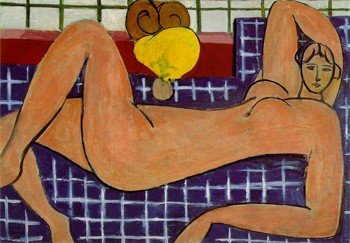
The critic Rosamond Bernier tells of being with Matisse when he had just seen a documentary film of himself at work. He was highly displeased to observe that he went through elaborate motions with the pencil above the surface of the paper before he brought them in contact. His almost magician-like motions had been unconscious but habitual. Miss Bernier describes it as Matisse’s means of establishing the relationship between his subject (in all its levels of reality) and the dimensions of the paper. In other words, he was reconciling the infinite with the finite—exactly the task that the best medieval chanters were said to set for themselves. And how did Matisse—evidently embarrassed at having been caught in his sacred and private process—account for it? He resorted to musical language: “Je n’avais pas encore commencé à chanter.”
Singer he may have been, but Matisse was also a composer.
Thanks to Ana María Machado for pointing me to the photos at the link.
The Enemy of My Enemy is My Friend
May 26, 2011
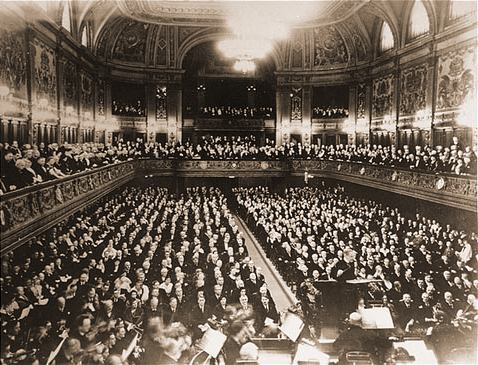
Adolf Hitler (front row on aisle) at concert in Leipzig
We hear much about Hitler’s admiration for Wagner. Less well-known is his dislike for Bach, Handel, Haydn, Mozart, Beethoven, and Brahms — as related in this fascinating post.
Dal Segno of the Times: The Music Tattoo Database
May 23, 2011
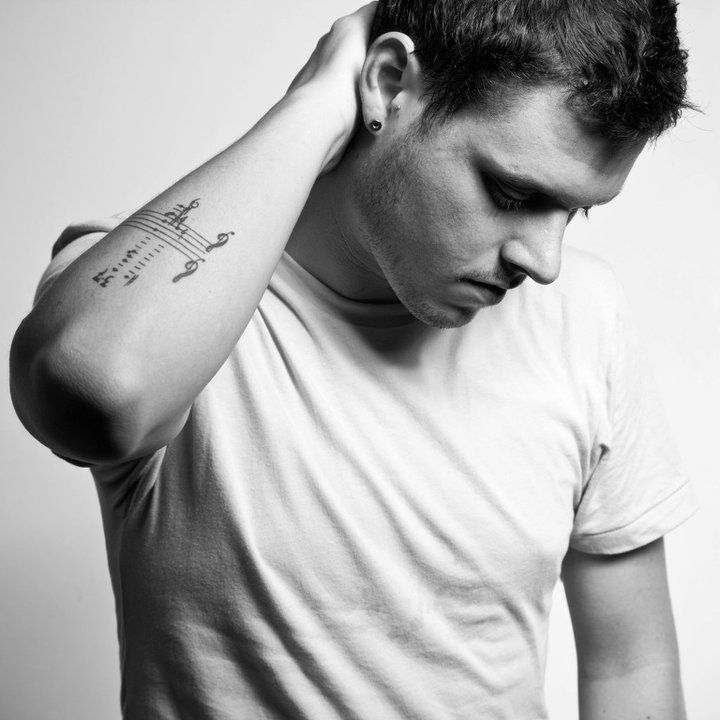
It had to happen. Check it out.

New research shows that musicians’ brains are highly developed in a way that makes the musicians alert, interested in learning, disposed to see the whole picture, calm, and playful. The same traits have previously been found among world-class athletes, top-level managers, and individuals who practice transcendental meditation.
The new study also credits musicians with higher levels of moral reasoning and more transcending “peak experiences” emotionally.
Wit and Wisdom of Wikipedia
May 16, 2011
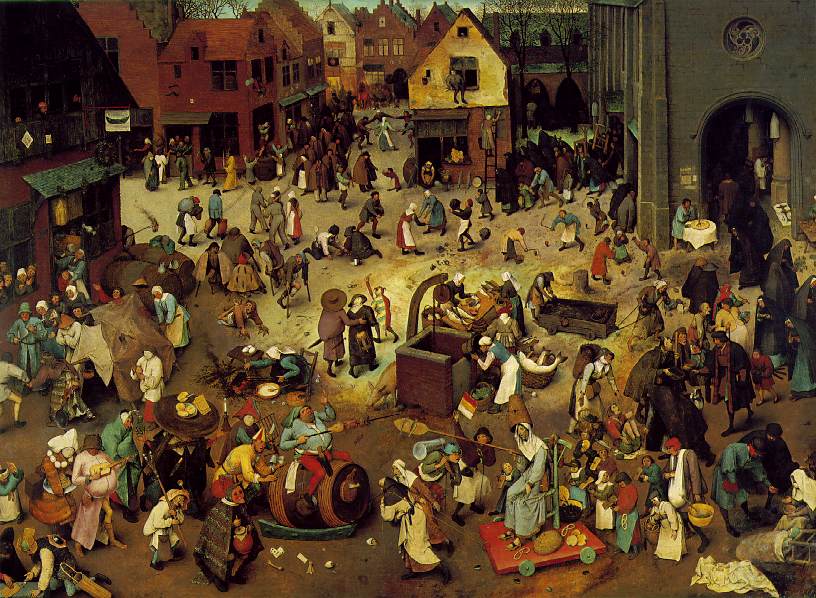
In an article on the stylus fantasticus, we find a contributor unburdening his or her conscience of this insight:
Many facets of musical modernism were invented in the stylus fantasticus at Kromeriz, such as bitonality in Battalia, minimalism in The Peasants go to Church, stochasticism in Vejvanovsky’s Bells. What is not always mentioned is that these techniques are used to represent chaos, drunkenness, stupidity, and animal noises rather than as a principal resource.
National Riches
May 13, 2011

At the risk of seriously derailing your schedule, I point you to the online availability of thousands of recordings from the Library of Congress. When the founders of the library conceived of a great national collection of materials (which, naturally, meant books when the word library really named a repository for libri), they could hardly have dreamed of the diffusion that digital means allow.
Almost at random I whet your appetite with three examples: a 1917 recording of a Rossini aria and Sousa’s band in 1923 and “O sole mio” performed by the “Neapolitan Trio” in 1915. If that’s not enough breadth for you, you can discover your own at http://www.loc.gov/jukebox/.
 RogerEvansOnline.com