Judge Not
September 14, 2011

The music that people prefer may tell you something about them, but it’s never safe to judge music by who listens to it. Hear the delightful stand-up comic, Retta, using a passage of the Vivaldi Gloria to put some haters in their place.
(Alerted to this by Alex Ross via Twitter)
Christopher Small 1927–2011
September 9, 2011
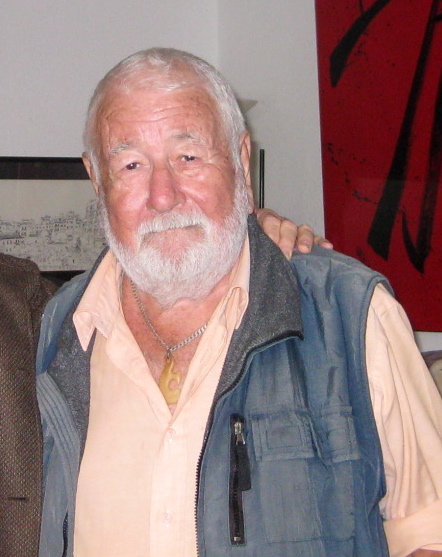
Alex Ross tweets the sad news of the death of Christopher Small, who revolutionized the thinking about music of many thinkers about music. He and Neville were neighbors of mine in the late ’80s, and he read and commented helpfully on Music & Power, since our preoccupations then were congruent. His highly developed thinking influenced mine, even in areas of music that didn’t much interest him.
Much of his writing was of a sort that won’t age.
Endearing Glimpses of the Private Rachmaninoff
September 3, 2011
(Hat-tip to John Musto)
From Bow (\ˈbō\) to Bow (ˈbau̇\)
September 2, 2011

If you’ve seen Carter Brey only in white tie and tails, it’s a bit of a revelation to see him here. Commanding the cello section of the New York Philharmonic or the sails and rudder of the Dolphine, he seems utterly at ease.
Another Advantage of the Clavichord
September 1, 2011
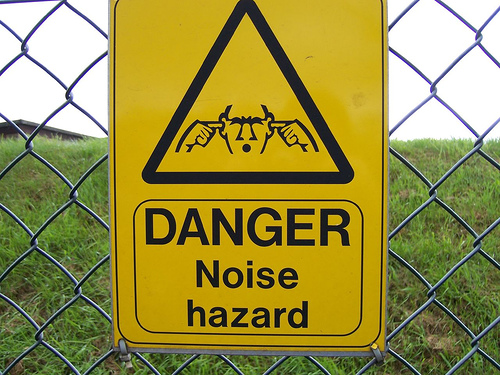
The BBC tells us about the dangers of playing in an orchestra.
One Answer to Many Questions
August 30, 2011

(Hat-tip to Stephen Best)
Functional Harmony Portraying Dysfunctional Families
August 30, 2011
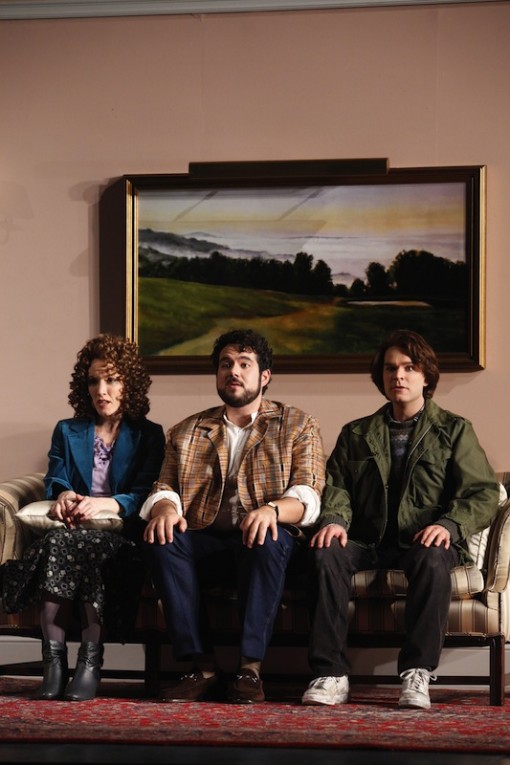
We deserve a little fun after Hurricane Irene. Here are radio station WQXR’s choices for the works that present the top ten dysfunctional operatic families:
1. Wagner: The Ring Cycle (1869-76)
2. Bernstein: A Quiet Place (1983-4)
3. Janacek: Jenufa (1904)
4. Strauss: Salome (1905)
5. Verdi: Don Carlo (1867)
6. Handel: Agrippina (1709)
7. Debussy: Pelléas et Mélisande (1902)
8. Berg: Lulu (1937)
9. Donizetti: Lucrezia Borgia (1833)
10. Gluck: Iphigénie en Tauride (1779)
See their reasoning here, and offer your own additions and/or subtractions.
Mozart and Sunblock
August 27, 2011

The journal Medical Problems of Performing Artists has an article positing a Vitamin D deficiency as the cause of Mozart’s early death.
As the authors — “Stefan Pilz (who, if he plays his cards right, will hereafter be known as ‘Vitamin’ Pilz) and William B Grant” — summarize in The Guardian:
Mozart did much of his composing at night, so would have slept during much of the day. At the latitude of Vienna, 48º N, it is impossible to make vitamin D from solar ultraviolet-B irradiance for about six months of the year. Mozart died on 5 December, 1791, two to three months into the vitamin D winter.
 RogerEvansOnline.com